
Finding the Perfect Hat Size
Before choosing the right hat, it is essential to know your hat size and to measure your head properly. Hebert Johnson has a guide if you are unsure how to measure your head. A hat is far more than a simple accessory. It protects you from the elements while also acting as a distinguished finishing touch to your overall appearance. In short, it keeps the rain off your head and the style firmly on it.
Why Hat Size Matters
A well-fitting hat should feel comfortable and secure without squeezing your head. When selecting a hat, several factors come into play, including the style and the material from which it is made. Both can influence how the hat fits and feels over time.
If you happen to fall between sizes, there is no cause for alarm. Hats are remarkably accommodating companions. Small adjustments, such as discreet padding placed inside the sweatband, can easily improve the fit. As a general rule, however, it is always wiser to choose a hat that is slightly larger rather than one that is too small. A little extra room can be adjusted; a hat that is too tight is rather harder to live with.
Understanding Hat Sizes: UK, US and EU
Hat sizing can vary depending on the system used.
-
US hat sizes are based on imperial measurements and represent the diameter of the hat in inches (for example, 7 1/4).
-
European (EU) sizes are measured in metric and represent the head circumference in centimetres (for example, 58 cm).
As a general guideline, a 1 cm increase in EU size corresponds roughly to a 1/8 inch increase in US sizing. For example 58 cm (EU) is approximately 7 1/4 (US).
Hat Styles, Materials, and Fit
The way a hat fits is influenced not only by its style but also by the material it is made from. Different styles are designed to sit differently on the head, and various materials can change shape over time with regular wear.
-
Fedoras and Trilbies: These styles should sit comfortably just above the ears and feel balanced on the head without needing to be pushed down.
-
Top Hats and Formal Hats: Formal styles often require more precise sizing to prevent slipping or wobbling, as they typically sit higher on the head.
-
Casual Caps: Caps are generally more forgiving in terms of fit, as many styles include adjustable bands or flexible materials that allow for easier sizing.
The material of the hat can also affect how it fits over time. Panama hats are known to come up slightly small, as the natural fibres can shrink gradually when they absorb moisture from the environment. For this reason, it is often advisable to allow a little extra room when selecting a size.
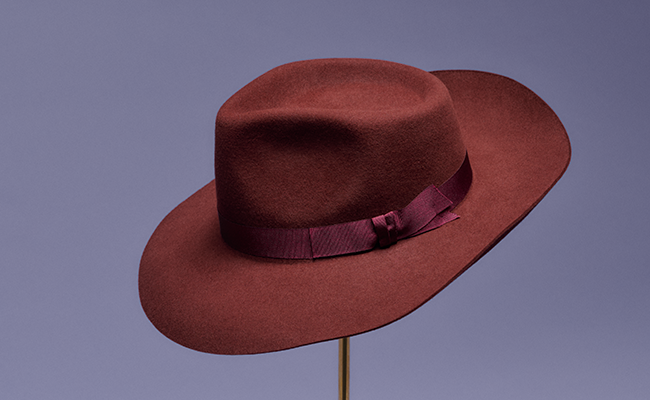
Felt hats, whether made from wool or fur, behave in the opposite way. They tend to stretch and break in over time, naturally conforming to the shape of your head. While they may initially feel slightly snug, regular wear allows the material to loosen, particularly at pressure points, creating a more personalised fit.


